The First 30 Seconds: How to Write a YouTube Hook That Stops the Scroll
You can lose a third of your audience before the 30 second mark. Most of that loss is avoidable, and almost none of it is about editing.

John Whitefield
YouTube growth strategist
10 min read
Key takeaways
- The hook's only job is to confirm the promise of the thumbnail and title, then raise a new question.
- Cut the greeting, the channel pitch and the subscribe ask from the opening. They belong later, if at all.
- Show the payoff early. Telling someone what they will get is weaker than showing them a two-second glimpse of it.
- A hook is a script problem, not an editing problem. Fast cuts on a boring sentence just make it boring faster.
- Watch your retention graph at 0–30 seconds before anything else. It is the cheapest fix on the channel.
You did the hard part. Someone was scrolling, your thumbnail stopped them, your title convinced them, and they clicked. That is the expensive bit — the bit everything else in packaging exists to achieve.
And then, in a lot of channels, roughly a third of those people are gone within thirty seconds.
Almost all of that loss is avoidable, and almost none of it is an editing problem. It is a scripting problem, and it is fixable this week.
What a hook is actually for#
The opening of a video has exactly two jobs.
Job one: confirm the promise. The viewer clicked because your packaging implied something. The first few seconds have to prove, fast, that they are in the right place. Any ambiguity here reads as a bait-and-switch, and people leave bait-and-switches immediately.
Job two: raise a new question. Confirmation alone earns you about five seconds. To earn the next twenty-five you have to open something — a tension, a claim, an unfinished thought — that the viewer wants resolved.
That is the whole brief. Notice what is not on the list: your name, your channel's usual subject matter, an animated logo, a sponsor, an apology for not uploading, or a request to subscribe.
The number to watch#
You do not have to guess at any of this, because YouTube measures it directly.
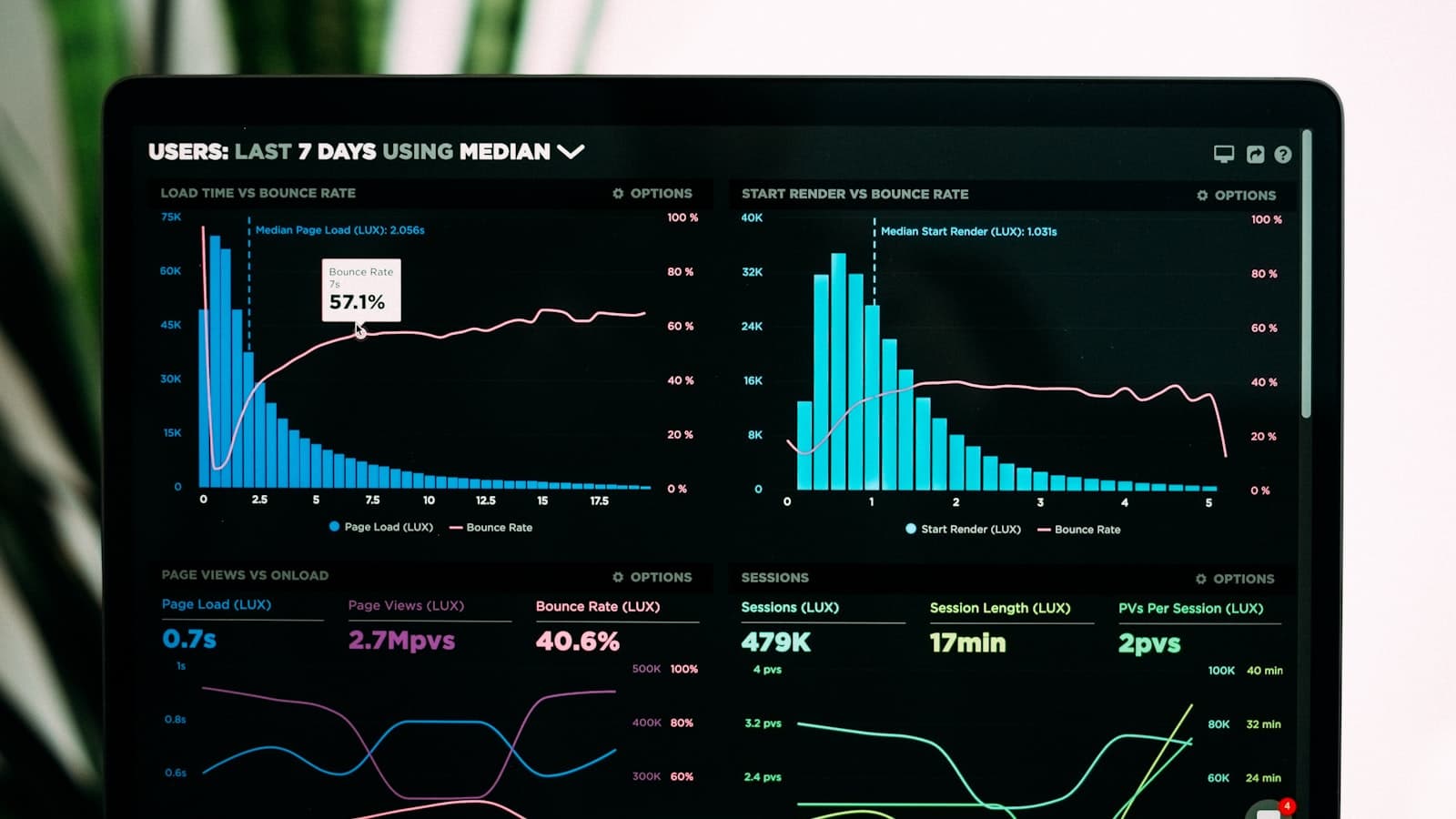
In the key moments for audience retention report (opens in a new tab), the Intro section tells you what percentage of your audience was still watching after the first 30 seconds. YouTube treats it as its own metric precisely because it is the most diagnostic moment in the video.
As a rough working benchmark for long-form:
| Intro retention | What it usually means |
|---|---|
| 80%+ | The packaging and the opening are well matched. Leave it alone. |
| 70–80% | Healthy. Normal for a good video. |
| 55–70% | Something in the opening is costing you. Usually preamble. |
| Under 55% | The video is not delivering what the packaging promised, or the first sentence is not interesting. |
Two caveats. Compare against your own channel average rather than someone else's screenshots, because this varies a lot by niche and by traffic source. And note that retention data takes a day or two to process, so do not check it an hour after publishing.
Six hook patterns you can reuse#
1. Cold open on the payoff#
Start with the result, then rewind. Show the finished build, the final number, the moment it worked — then say "here's how that happened."
This is the most reliable pattern in existence and the most underused, because it feels like giving away the ending. It is not. Knowing the destination makes people more willing to take the journey, not less.
"That's a 61% average view duration on a twenty-minute video. Six weeks ago the same channel was at 28%. Here's the three things that changed."
2. The contradiction#
Open with a statement that conflicts with what the viewer expects. The gap between their belief and your claim is the reason to stay.
"Uploading more often made my channel smaller. I've got the numbers to prove it."
Only use this if you can actually defend it. A contradiction you fail to support is worse than no hook.
3. The stakes statement#
Name what is being risked and what happens if it goes wrong.
"I've spent four hundred pounds and two weekends on this, and if it doesn't work I've got nothing to upload."
Stakes work because uncertainty is the engine of attention. If the outcome is obvious there is no reason to watch.
4. The direct answer#
For search-driven content, do the opposite of building tension: answer the question immediately, then explain.
"Yes, you can fix room echo for under thirty dollars. Here's exactly what to buy, and then I'll show you why the expensive option is usually a waste."
People searching a question want the answer, not a story. Giving it to them straight away is not a lost opportunity — it is what earns the trust that keeps them watching the explanation.
5. The credential in passing#
Establish why you are worth listening to, in one clause, while saying something else.
"I've rewritten this intro eleven times, and the version that finally held people wasn't the one I expected."
The credential is embedded. Compare with the version where you stop to explain your qualifications for thirty seconds — same information, enormously different cost.
6. The problem mirror#
Describe the viewer's situation so precisely that they recognize themselves.
"You upload, it gets forty views, and you have no idea whether it's the topic, the thumbnail or the video. That's the problem this fixes."
This is the strongest pattern when the audience is frustrated rather than curious.
The five thieves#
These are the things that most commonly steal your opening. Every one of them is defensible in principle and expensive in practice.
1. The greeting. Covered above. Free to remove, immediate improvement.
2. The channel pitch. "On this channel we talk about..." The viewer does not care what the channel is about. They care what this video is about. If they like it, they will investigate the channel themselves.
3. The subscribe ask. Asking for something before you have delivered anything is the worst possible trade at the worst possible moment. Move it to the middle, immediately after you have visibly helped them — and then ask once.
4. The sponsor read. A sponsor at 0:20 is dramatically more expensive than the same read at 3:00, because at 0:20 the viewer has received nothing yet and has no reason to tolerate an interruption. Deliver value first.
5. The long roadmap. "In this video I'm going to cover five things. First we'll look at..." You have spent twenty seconds describing content instead of delivering it. If the structure genuinely helps, say it in one sentence, or use chapters and let people navigate themselves.
The shape of a strong thirty seconds#
A structure that works across most formats:
0:00–0:03 — The first sentence. No preamble, no throat-clearing. This sentence has to be able to stand completely alone. Write it last, after you know what the video actually is.
0:03–0:10 — Prove it. Show the thing, the number, the result, the situation. Visual proof beats verbal claim every time.
0:10–0:20 — Open the loop. State the tension or the question that the rest of the video resolves. This is what converts a strong start into sustained watching.
0:20–0:30 — Start delivering. Begin the actual content. Not a description of the content — the content.
Test your opening against these
- Does the first sentence work with no context at all? Read it to someone who has not seen the video.
- Would a stranger know within five seconds whether this video is for them?
- Is there a question raised in the first twenty seconds that the video answers?
- Have you removed the greeting, the channel pitch, the subscribe ask and the roadmap?
- If you deleted the first fifteen seconds entirely, would the video be worse — or just shorter?
That last question is the most useful diagnostic on this page. Try it on your most recent upload. For a lot of videos the honest answer is "just shorter", which tells you those fifteen seconds were never doing anything except costing you viewers.
Hooks change depending on where the viewer came from#
One hook does not serve every audience equally, and knowing which traffic source dominates a video should change how you open it.
Search viewers arrived with a question already formed. They are the most patient audience you will ever have and the least tolerant of delay. They do not need to be sold on the topic — they chose it. What they need is confirmation that you are going to answer, and ideally the answer itself. Open with the direct answer pattern. Withholding it to build tension is the classic mistake here: you are creating suspense for someone who came to resolve suspense.
Browse viewers were not looking for anything. They need to be convinced the subject is interesting at all before they will care about your treatment of it. Open with stakes, contradiction or a cold open on the payoff. The direct-answer approach falls flat here, because answering a question nobody asked is not compelling.
Suggested viewers just finished a related video. They have context, momentum, and a specific appetite. The best opening acknowledges where they have come from without labouring it — start slightly further into the subject than you otherwise would, and skip the beginner framing they have already sat through.
You can see the split for any video in the traffic source report. If a video is 70% browse, write for browse. If your channel is mostly search, your default opening should probably be the direct answer, and you should stop copying hook advice from creators whose traffic is entirely home page.
Write the first sentence last#
The opening line is the hardest sentence in the video and the one people write first, usually before they know what the video actually turned out to be.
Write it last. Once the video is scripted or even edited, you know what the strongest single claim in it is. That claim, stated plainly, is almost always a better opening than anything you could have invented in advance.
A useful exercise: watch your own rough cut and write down the most interesting sentence you say anywhere in it. Now put that sentence at 0:00. In my experience this improves openings more reliably than any pattern on this page, because it guarantees your first line is something the video can actually support.
How to test a hook properly#
Hooks are one of the few things you can iterate on quickly, because the effect shows up in the Intro metric within a couple of days.
Change one opening at a time. If you rewrite the hook and also change the thumbnail, the retention change tells you nothing about either.
Compare like with like. Intro retention differs by traffic source — search viewers stay longer at the start because they were actively looking. If one video's traffic is mostly search and another's mostly browse, they are not comparable.
Re-record rather than re-cut, when you can. A hook that fails is usually failing at the sentence level. Trimming a bad sentence tighter does not make it a good sentence.
Keep the ones that work. If a hook pattern holds 80% on three videos, that pattern is now part of your format. Most creators discover a working structure and then abandon it for variety. Variety is for the middle of the video.
When the hook is fine and people still leave#
Occasionally you fix the opening, the Intro metric improves, and the video still underperforms. Three explanations cover almost all of these cases.
The hook was a promise the middle could not keep. A brilliant thirty seconds followed by a mediocre eight minutes produces a worse outcome than a mediocre thirty seconds followed by a mediocre eight minutes, because you brought more people to the disappointment. If your Intro number is strong and the curve collapses at ninety seconds, the problem has moved and you should be reading the full retention graph rather than tinkering with the opening.
You are attracting the wrong people well. A hook that works on a general audience can pull in viewers with no real interest in your subject. They stay for a minute out of curiosity and leave. Check who the video reached in the audience report — if the adjacent videos your viewers watch have nothing to do with your topic, the association is wrong regardless of how good the opening is.
The video is fine and the sample is too small. With a few hundred views, retention figures move a lot on very little. Do not rewrite your format on the basis of one video with 60 views.
The most common mistake#
The single most frequent hook problem I see is not any of the five thieves. It is a mismatch.
The packaging promises a story and the video opens with a tutorial. Or the thumbnail is dramatic and the first sentence is measured and calm. The viewer is not disappointed by quality — they are disoriented, and disorientation reads as "wrong video" within about four seconds.
This is why packaging and hook have to be written together, before filming. If you write the title and sketch the thumbnail first, as I argue in the five-stage system, the hook almost writes itself: it is simply the fastest possible confirmation of the promise you have already made.
It also explains why a higher click-through rate can make a video perform worse overall. A thumbnail that over-promises brings in people the video was never going to satisfy, and their early exit is evidence against the video. As covered in the algorithm piece, the system is predicting satisfaction, not clicks.
After the first thirty seconds#
A strong hook that leads into a sagging middle just moves the problem later. Once your Intro metric is healthy, the next thing to read is the full retention curve — the four shapes it can take and what each one is telling you are covered in audience retention on YouTube.
And if you have not yet checked whether you have a hook problem at all, start with the diagnostic: why your YouTube videos get no views will tell you whether your losses are happening at impressions, at the click, or here.
Frequently asked questions
How long should a YouTube intro be?
Under 15 seconds for most videos, and often under 5. The moment the viewer understands what they are getting and why it matters, move into the content. Long branded intro animations are one of the most reliable ways to lose people who were ready to watch.
What percentage of viewers should still be watching at 30 seconds?
As a rough working benchmark, holding 70% or more at 30 seconds is healthy for long-form. Below 55% and the opening is usually mismatched with the packaging. Compare against your own channel average rather than someone else's, since it varies a lot by niche and video length.
Should I say 'don't forget to subscribe' at the start?
No. Asking for something before you have delivered anything costs you retention at the exact moment it is most expensive. Ask once, mid-video, immediately after a moment where you have visibly helped the viewer.
About the author

John Whitefield
YouTube growth strategist
I have spent the last nine years pulling apart YouTube channels for a living — my own, and a few hundred belonging to other people. I care about one question: why does this video get watched and that one doesn't?
Get the weekly breakdown